
Bruxism Treatment in Petaluma, CA
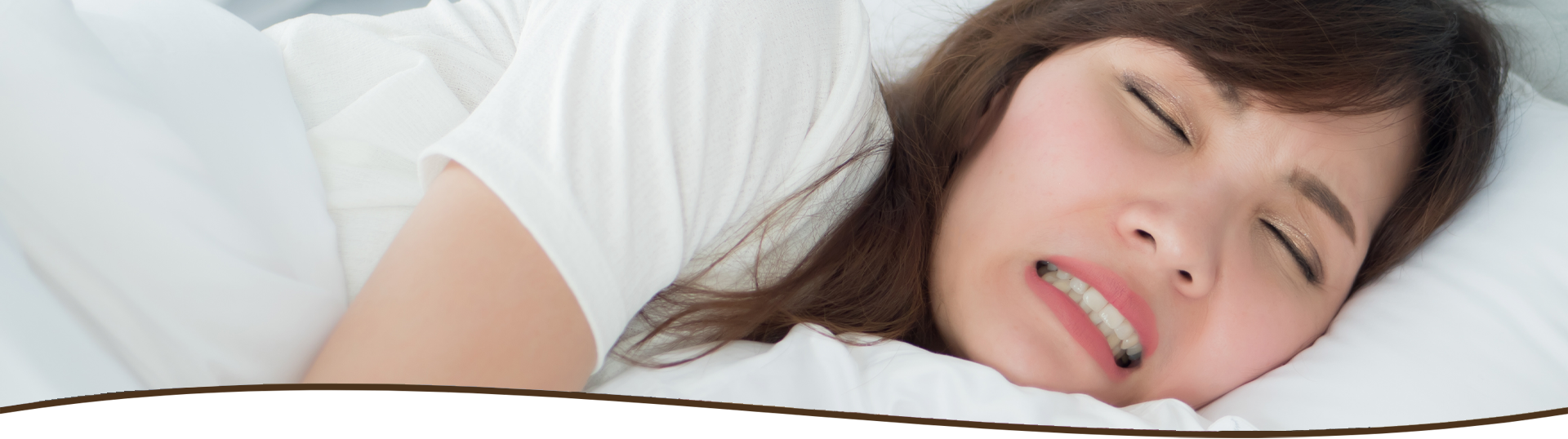
Does your sleeping partner report that you grind your teeth in your sleep? Have you been diagnosed with TMJ disorder, or TMD, in the past? Do you find yourself visiting the dentist regularly due to chipped or broken restorations? If this sounds like you, you may be dealing with a condition known as bruxism.
What is bruxism?
Dr. Yvonne Szyperski of North Bay Smiles in Petaluma, CA is a dentist who works routinely with patients who experience problems associated with bruxism. Bruxism is a specific condition that causes patients to experience clenching and grinding of the teeth, often in their sleep. Without protecting the teeth, patients may deal with:
- Worn down teeth that have increased sensitivity
- Broken restorations, including crowns and porcelain veneers
- Lost dental fillings from past cavity treatments
- Grinding sounds in their sleep that can disrupt a sleeping partner’s rest
It is unknown what specifically causes bruxism, but stress appears to be a contender for many patients. For others, it coincides with conditions such as temporomandibular joint disorder, or TMD.
What can be done about bruxism?
Many doctors find that it is beneficial for a patient to be prescribed muscle relaxants for bruxism, but this is not always the only treatment option and does not always work for everyone. Because of this, Dr. Yvonne Szyperski recommends the use of an oral appliance. A bruxism appliance is a specialized mouthguard that is designed to fit properly in a patient’s mouth and provide a layer of protection for the upper and lower dental arch. These teeth often experience the signs of bruxism with wear and breakage. When a patient wears a bruxism appliance, however, they have plastic between the upper and lower dental arch that can cushion against clenching and grinding to protect the smile.
Bruxism Treatment FAQs
What is bruxism?
Bruxism is the involuntary clenching and grinding of teeth that happens when sleeping, although it can occur during the day. Usually, grinders don’t realize they grind their teeth because it happens subconsciously in their sleep. Your bed partner is often the first person to notice you have bruxism because of the grinding noises at night. The common causes of bruxism include stress, anxiety, misaligned teeth, recreational drugs, and sleep disorders like sleep apnea.
How do I know I have bruxism?
Even though teeth grinding happens when sleeping, the symptoms are often felt during the day. These daytime clues can signal a nighttime habit that’s silently harming your teeth and jaw.
- Jaw pain or tightness, especially in the morning
- Frequent headaches or earaches
- Tooth sensitivity or chipped enamel
- Clicking or popping sounds in the jaw
- Worn-down or flattened teeth
If you suffer from bruxism, you aren’t alone. It affects millions of men and women globally. Bruxism can diminish your quality of life. Broken teeth and persistent jaw pain can affect sleep, concentration, and comfort. The good news? Bruxism is treatable, and many patients can live without pain or dental damage.
What are the dangers of bruxism?
Untreated bruxism can cause broken or worn-down teeth that require costly restorative treatments. Excessive teeth grinding also overworks jaw muscles, causing TMJ-related discomforts like headaches and jaw soreness. Other damaging effects of bruxism include broken restorations, gum recession, and interrupted sleep quality.
As you can see, nightly teeth grinding can lead to a chain reaction of dental problems if left untreated. The good news? With effective bruxism treatment available in North Bay Smiles, you can stop the damage before it starts.
How is bruxism diagnosed?
We can diagnose bruxism during a routine exam by looking for signs of wear, fractures, or stress on the teeth and jaw joints. We may also ask about your symptoms, sleep habits, and stress levels. Dental X-rays may be necessary to determine the extent of the damage.
How is bruxism treated?
There’s no single treatment for bruxism. However, a night guard becomes effective in most cases, especially if the cause is teeth grinding. A nightguard creates a barrier between the upper and lower teeth, protecting your teeth from grinding forces when sleeping. Continued use also re-trains your jaw muscles to relax, reducing jaw pain, headaches, and other TMJ-related discomforts. Other treatment options for bruxism include stress management, orthodontics, and lifestyle changes.
Can I cure bruxism?
While nightguards and behavior changes can significantly reduce discomfort and protect your teeth, they’re only part of the solution. True, lasting relief comes from uncovering and treating the root cause of bruxism. Whether it’s stress, sleep issues, or a misaligned bite, your dentist will guide you through a targeted treatment plan for more permanent results.
Who offers bruxism treatment near me in Petaluma, California?
Don’t let bruxism undo the healthy, beautiful smile you have worked so hard to nurture. Call (707) 306-8001 if you suspect bruxism and reserve an appointment with North Bay Smiles. Let’s protect your smile before damage occurs.
Do you suspect you have bruxism?
If you are interested in learning more about bruxism and the solutions available to help with it, consider working with the team at North Bay Smiles to discuss your options. We are located at 1580 East Washington Street, Suite #101 in Petaluma, California and welcome new patients. Call (707) 306-8001 to request your first consultation appointment with Dr. Yvonne Szyperski and her staff.